Home / Video lessons / Formas de expresar futuro
Spanish has several ways to talk about the future. This lesson presents the most common ones and explains when each one is used.
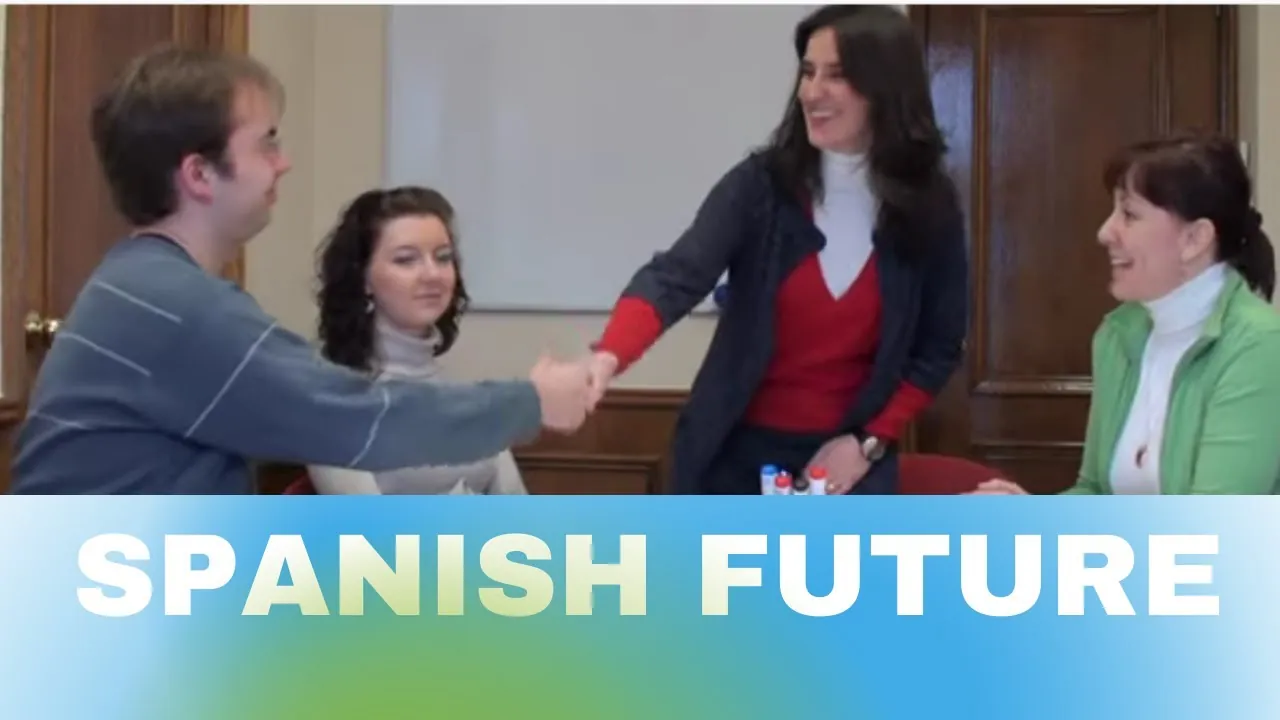
Learn the uses of this verb tense with this free Spanish lesson brought to you by Tilde Madrid Spanish school in Madrid
In everyday conversation, ir a + infinitive is much more common for plans. The future simple sounds more distant or formal and is used for predictions and promises.
Tendré (tener), haré (hacer), podré (poder), saldré (salir), vendré (venir), diré (decir) and querré (querer). The endings do not change.
Yes: ¿Qué hora es? – Serán las ocho (It is probably eight o'clock). It is a very common use in Spanish.
Part of Spanish Sessions, the YouTube channel of the teachers at Tilde Madrid — more than 3 million views.
Watch on YouTube